Enhance Your Home With Professional Building Services
Upgrading a residence through expert design solutions involves more than just aesthetics. It necessitates a deep grasp of practical layout and area construction standards. Partnering with an experienced architect can tackle common challenges while enhancing property worth. The process is methodical and thorough, guaranteeing that every detail aligns with the homeowner's vision. Yet, many homeowners have difficulty to traverse this journey effectively. What steps can they take to secure a successful partnership?
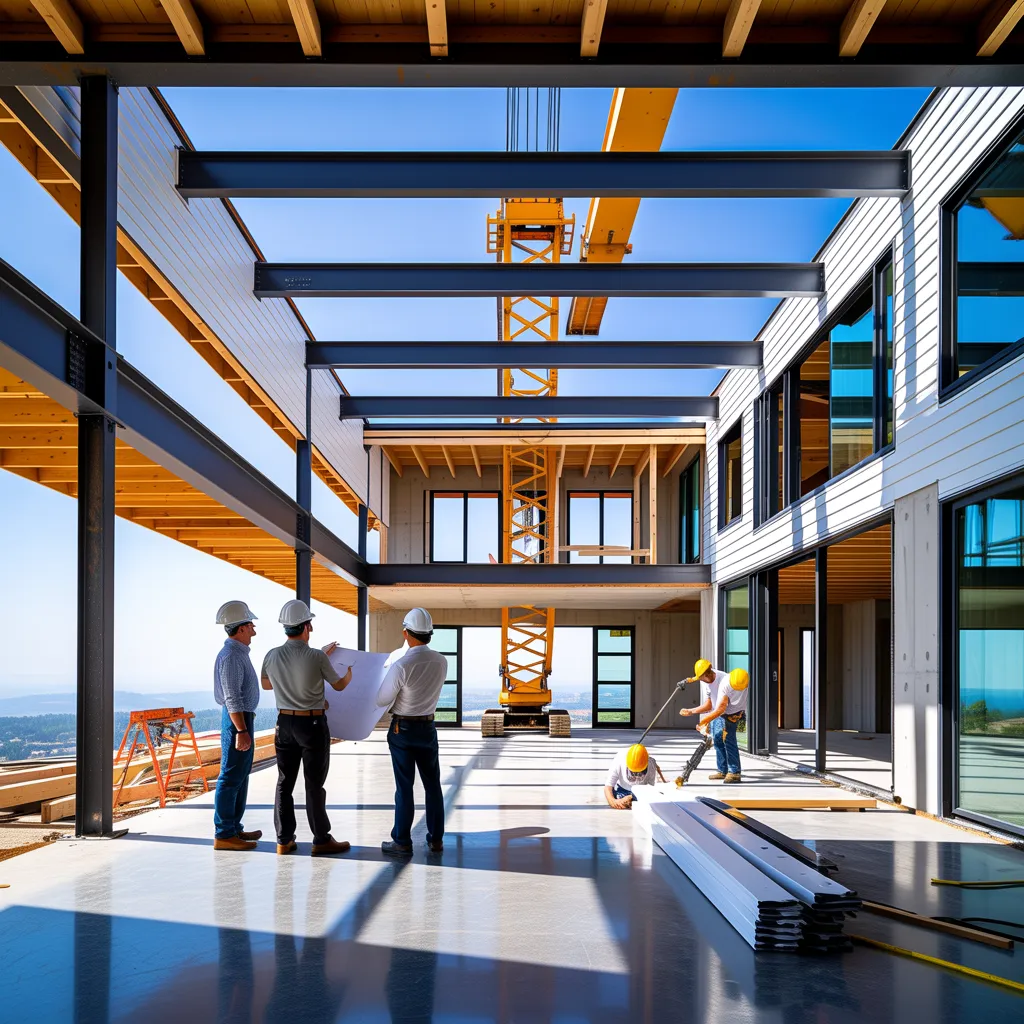
Usual Housing Design Troubles and Ways Architects Offer Solutions
What causes home design so challenging for many homeowners? The intricacy of juggling design tastes with functional needs often overwhelms them. Homeowners frequently struggle with space limitations, financial restrictions, and compliance standards, hindering the design process. Additionally, many lack the technical expertise needed to handle structural considerations and building codes.
Architects play an essential role in alleviating these challenges. Their education equips them to navigate the intricacies of planning, ensuring that a property owner's vision corresponds with practical realities. Architects can provide creative solutions to maximize space while adhering to safety standards. They also assist in developing unified designs that embody the homeowner's aesthetic. By offering insights into resources and construction methods, architects aid streamline the decision-making process. Finally, their knowledge converts a possibly daunting endeavor into a cooperative journey, promoting a balanced balance between innovation and practicality in home design.
Advantages of Collaborating With a Professional Architect
Working with a seasoned professional improves the residential planning process by blending expert knowledge with the owner's aspirations. Architects deliver a wealth of experience in design methodology, construction standards, and sustainability practices, guaranteeing that the initiative not only attains aesthetic goals but also adheres to guidelines. Their skill in depicting and convey difficult concepts supports rendering abstract concepts into concrete deliverables.
Furthermore, architects can offer innovative solutions to spatial challenges, improving layout and functionality. They also manage the complexities of the construction process, coordinating with contractors and suppliers to ensure timelines and budgets are adhered to. This professional oversight minimizes potential errors and reduces the pressure associated with home construction or remodeling. Ultimately, collaborating with an architect produces a thoughtfully crafted, unified space that reflects the homeowner's personality while enhancing overall property value.
What Form the Required Components in the Architectural Process?
Why is understanding the building design process important from concept to completion? The journey starts with an initial consultation, where the architect and customer discuss goals, needs, and budget. This stage is essential for building a clear vision. Afterward, the architect executes site analysis, assessing factors like topography, climate, and zoning requirements.
Next, the design phase begins. During this time, sketches and digital models are generated, allowing the client to visualize the project. After the design is locked in, the architect puts together comprehensive technical documents, including specifications and drawings.
After obtaining necessary permits, the project enters the construction phase. The architect frequently works with contractors to explore article guarantee that the plan is executed correctly. Frequent site visits and evaluations help maintain quality and adherence to the initial vision. Finally, the project culminates in a inspection, confirming that the finished structure meets the client's requirements before the official handover.
How Can You Identify the Best Architect for Your Home?
Selecting the right designer for a residence necessitates thoughtful evaluation and inquiry. Prospective homeowners should begin by determining their distinct requirements and financial plan, which will shape their exploration. Recommendations from acquaintances, family, or real estate professionals can provide beneficial opportunities. Web portfolios and feedback support evaluating an designer's previous projects and client contentment.
Next, interested parties should speak to multiple prospects to evaluate their communication style, background, and design approach. It's crucial to cover project timelines and client expectations to ensure alignment. Moreover, verifying credentials and reviewing relevant licenses and certifications can avoid potential issues down the line.
To summarize, homeowners should go with their inner voice. The excellent architect should not only have the necessary skills but also harmonize with the homeowner's direction and standards. This synergy encourages a collaborative environment, ultimately enabling a effective collaboration in materializing a cherished residence.
Tips for Conveying Your Objectives Efficiently
Articulating a plan for residential design proficiently is critical for a productive alliance between homeowners and design professionals. To reach this objective, house owners should initiate by clearly defining their requirements and choices. Making a mood board with pictures, colors, and materials can assist in expressing aesthetic desires. Additionally, specifying functional requirements, such as dimensions and layout, assures that the designer comprehends concrete aspects.
Property owners should also engage in open dialogue, encouraging questions and feedback to refine their vision. Regular check-ins during the planning phase encourage teamwork and openness. Using straightforward language to express thoughts and worries can prevent misunderstandings and help align goals.
Ultimately, remaining attentive to the architect's knowledge enables a more dynamic exchange of ideas. By fusing personal vision with professional insight, homeowners can strengthen a healthy partnership that achieves a beautifully designed space mirroring their aspirations.
How to Budget for Architectural design Solutions
As you start a home design project, establishing a budget for architecture services is critical to avert economic hardship later. Homeowners should begin by exploring typical fees in their area, which can vary based on the project's complexity and the architect's experience. It is sensible to allocate a percentage of the overall project cost specifically for architectural services, typically ranging from 5% to 15%.
Next, prospective customers should review the breadth of services needed—whether they want complete design and project management or simply preliminary consultations. Participating in open dialogue with prospective architects regarding their fee structures can bring clarity on expenses.
Additionally, property owners should account for unforeseen costs and potential changes, building a buffer into the budget. By explicitly outlining their monetary limits upfront, customers can guarantee they select an design expert who reflects their vision while adhering to their financial limits.
Regularly Inquired Topics
What Forms of Architectural Can I Opt for My Home?
Homeowners can choose from multiple design options, such as modern, traditional, colonial, Mediterranean, and contemporary. Each style offers unique visual appeal and practical features, allowing individuals to express personal taste while considering regional influences and environmental factors.
What Length of Time Does the Design Development Process Typically Take?
The design undertaking typically requires numerous months, based on complexity factors, design clearances, and local restrictions. Considerations such as client direction and construction schedules can also affect the timeline markedly over the full process.
Can Building designers Support With Green Design Alternatives?
Architects can absolutely support with sustainable design options. They include environmentally responsible materials, efficient energy systems, and creative floor plans, ensuring projects reduce environmental impact while maximizing functionality and aesthetic appeal, matching with clients' sustainability goals effectively.
Which Requirements Would I Seek in an Design Professional?
When hiring an design specialist, one should look at their qualifications, accreditation, involvement in related assignments, selection of projects highlighting their design sensibility, and grasp of local compliance standards. Ability to communicate effectively and client testimonials also prove essential in the decision-making process.
What Method Do Building Designers Take to Tackle Zoning and Permit Problems?
Architects address regulatory obstacles by performing comprehensive analysis on local regulations, preparing necessary documentation, and working with municipal authorities. Their proficiency ensures compliance, streamlining the approval process for customer developments effectively.